From Classroom to Campus: How Thoughtful Flooring Design Is Transforming the Way Students Learn
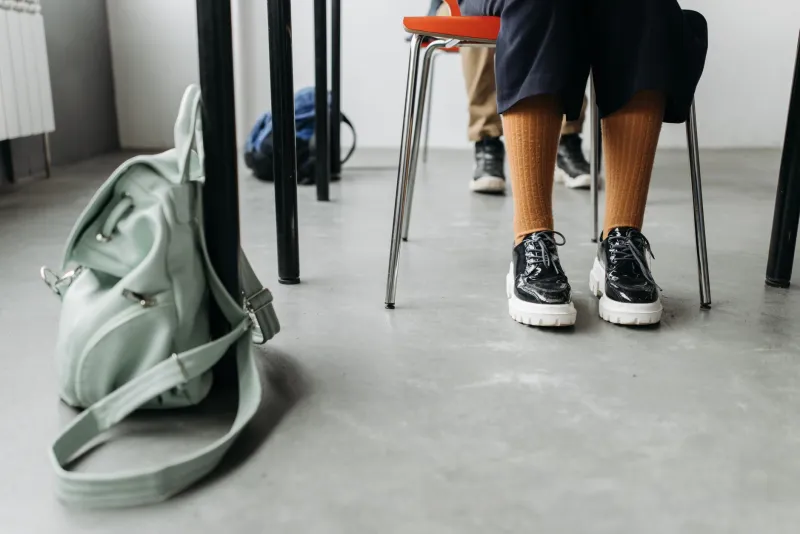
When an architect or facilities director sits down to plan a school renovation or a new university building, flooring rarely commands the same immediate attention as structural systems, HVAC, or lighting. Yet few decisions will be revisited as frequently—or felt as constantly—as the choice of what lies underfoot. Every student who walks through a corridor, settles into a collaborative studio, or spends hours at a library workstation is in continuous contact with the floor. That relationship, largely invisible in daily life, has a measurable impact on learning outcomes, physical comfort, and the longevity of the building itself.
Across the United States, K–12 schools and higher education institutions are undertaking a significant rethinking of their interior environments. Active learning pedagogies, flexible classroom configurations, and the growing emphasis on student wellness have collectively elevated the conversation around flooring from a procurement line item to a genuine design priority.
The Wear Patterns Unique to Educational Settings
No two commercial environments generate wear quite like an educational facility. A bustling middle school hallway endures rolling backpacks, athletic footwear, and foot traffic that spikes sharply between class periods. A university science lab faces chemical spills, heavy equipment, and the constant drag of stools and carts. A performing arts wing demands floors that accommodate folding chairs, instrument cases, and the acoustical needs of musicians and audiences alike.
Contractors and facility managers who apply a one-size-fits-all flooring specification to educational projects often encounter premature wear, costly remediation, and spaces that simply do not function as intended. The solution lies in zone-specific planning—understanding the distinct demands of each space type before a single product is selected.
High-traffic circulation paths, such as main corridors and cafeteria entries, require surfaces with exceptional abrasion resistance and straightforward maintenance protocols. Luxury vinyl tile (LVT) and commercial-grade vinyl composition tile (VCT) have long served these zones effectively, but newer heterogeneous vinyl products now offer enhanced wear layers and embossed textures that better disguise scuffs and surface marring during the intervals between cleaning cycles.
Supporting Active Pedagogy Through Flooring Flexibility
The shift away from rows of fixed desks toward fluid, activity-based learning environments has introduced new physical demands on educational floors. When students move furniture frequently—pushing tables together for group projects, clearing space for presentations, or creating informal breakout areas within a single classroom—the floor must absorb that kinetic energy without degrading.
Soft-surface flooring solutions, including modular carpet tiles, have found renewed relevance in this context. Carpet tiles offer a meaningful reduction in rolling resistance for furniture with standard casters, while simultaneously providing acoustic dampening that helps manage the elevated noise levels inherent in collaborative learning. Their modular nature is a practical advantage as well: individual tiles in high-traffic zones can be replaced without disrupting the entire installation, reducing both downtime and replacement costs.
For maker spaces, science laboratories, and technology classrooms, the calculus shifts toward resilient hard surfaces that can withstand dropped tools, chemical exposure, and heavy equipment loads. Sheet vinyl and rubber flooring products offer seamless or minimal-seam installations that prevent liquid infiltration—a critical consideration in any space where spills are routine rather than exceptional.
The Fatigue Factor: Flooring and Student Physical Well-Being
Research within the ergonomics and occupational health communities has long documented the relationship between standing or walking on hard, unyielding surfaces and lower-limb fatigue. While much of this research has focused on adult workers, its implications translate directly to educational environments where students spend six or more hours on their feet.
Floors with appropriate resilience—a quality determined by the material's ability to compress slightly under load and return energy to the foot—can meaningfully reduce fatigue accumulation over the course of a school day. Rubber flooring, for instance, offers natural cushioning properties that benefit both students and educators who spend significant time standing at whiteboards or moving through classrooms. Similarly, LVT products installed over appropriate underlayments can provide a more forgiving underfoot feel than traditional ceramic tile or polished concrete without sacrificing cleanability.
For gymnasium and physical education spaces, the stakes are even higher. Improper flooring in these environments contributes directly to slip-and-fall incidents and stress injuries. Hardwood sports floors remain the standard for many multi-use gymnasiums, but synthetic sport surfaces with engineered shock absorption are gaining traction in renovation projects where budget constraints or subfloor conditions make traditional wood installation impractical.
Acoustic Performance as a Learning Tool
Noise is among the most frequently cited barriers to effective learning in open or semi-open educational environments. Studies conducted in American schools have consistently found that excessive reverberation and background noise negatively affect reading comprehension and speech intelligibility—outcomes that are particularly acute for younger students and those with hearing impairments or auditory processing differences.
Flooring contributes to the acoustic environment in two distinct ways: impact noise reduction (the transmission of footfall sound through the floor structure to spaces below) and sound absorption (the reduction of reflected noise within a room). Carpet tiles and textile-backed resilient products perform well on the absorption dimension, while underlayment selection plays a critical role in managing impact noise in multi-story educational buildings.
For facility managers planning renovations in older school buildings—many of which were constructed without meaningful acoustic consideration—flooring upgrades represent one of the most cost-effective levers available for improving classroom acoustics without structural intervention.
Sustainability and Indoor Air Quality in School Environments
Parents, administrators, and school boards across the country are increasingly attentive to the materials present in student environments. Flooring products that carry FloorScore® certification or meet LEED v4 criteria for low-VOC emissions are now a standard expectation in new construction and major renovation projects, particularly those seeking public funding.
Beyond emissions, the cleanability of flooring surfaces has direct implications for indoor air quality. Smooth, sealed resilient surfaces that resist the accumulation of allergens and particulates support healthier learning environments—a consideration that gained renewed prominence in the post-pandemic period as schools reassessed their cleaning and ventilation protocols.
Planning for the Long Term
Educational facilities operate on constrained maintenance budgets and extended replacement cycles. A flooring investment made today in a K–12 school may need to perform for fifteen to twenty years before a full replacement is feasible. That reality places a premium on products with documented lifecycle performance, comprehensive warranties, and established refinishing or restoration pathways.
Contractors advising school districts and university facilities teams should approach flooring specification as a total cost of ownership conversation rather than a first-cost comparison. Products that require frequent waxing, stripping, or premature replacement will consistently outpace their initial price advantage in labor and material costs over the life of the building.
The most effective educational flooring strategies are those developed collaboratively—bringing together architects, facilities managers, educators, and product specialists before the design is finalized. When the floor is treated as an active participant in the learning environment rather than a passive substrate, the results benefit everyone who walks through the door.